
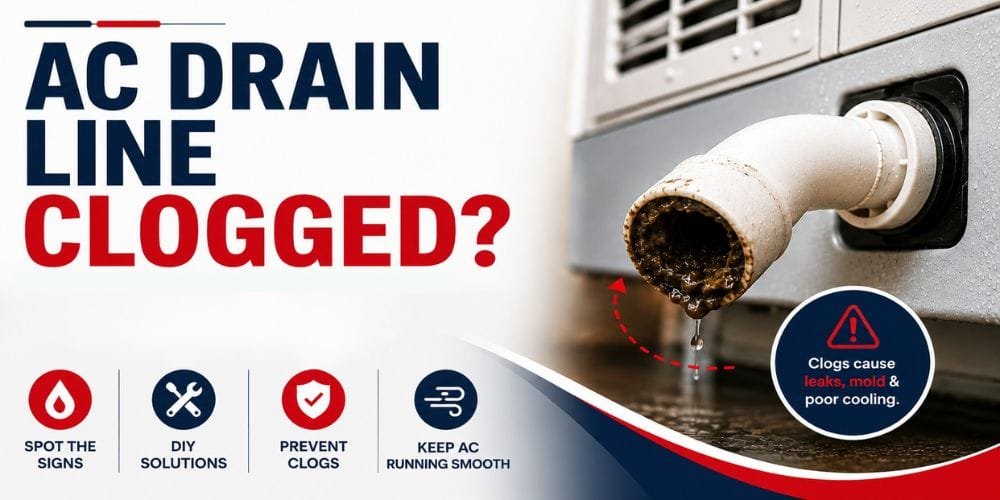
A clogged AC drain line is one of the most common issues affecting residential and commercial HVAC systems. While it may start as a minor blockage, it can quickly lead to water leaks, mold growth, reduced cooling efficiency, and unexpected system shutdowns if left unaddressed. The good news is that most drain line clogs are preventable, and many minor blockages can be cleared with regular AC maintenance and proper cleaning.
In this guide, you’ll learn what causes a clogged AC drain line, the warning signs to watch for, safe DIY cleaning methods, preventive maintenance tips, and when it’s time to call an HVAC professional.
What Is an AC Drain Line?
Your air conditioner does more than cool the air, it also removes excess humidity to create a comfortable indoor environment.
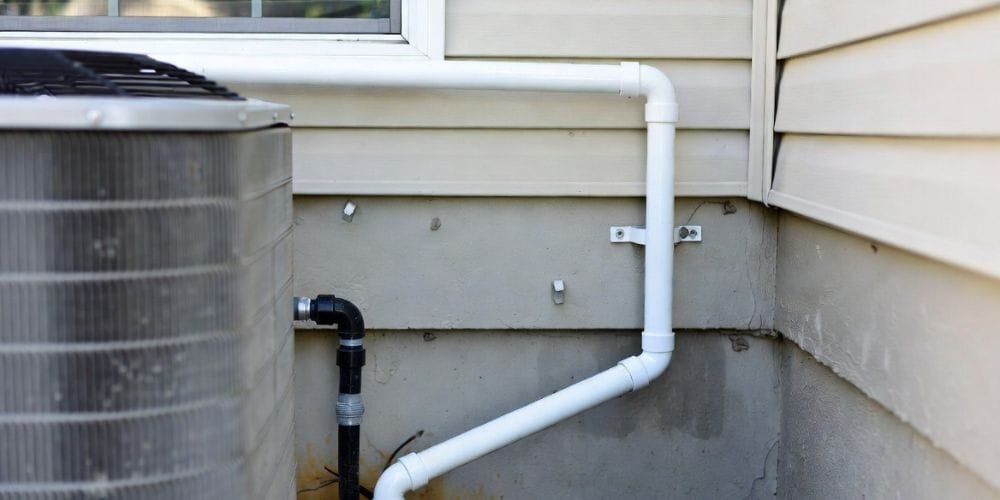
As warm indoor air passes over the evaporator coil, moisture condenses into water droplets. This condensation collects in a drain pan before flowing through a PVC pipe called the condensate drain line. From there, the water is safely directed outside the building or into an approved drainage system.
Although it’s one of the smallest components of your HVAC system, it performs an essential job. When an AC condensate drain line clogged problem occurs, water can no longer drain properly. Instead, it backs up into the drain pan, leaks around the indoor unit, or activates a float switch that automatically shuts the system down to prevent further damage.
This can happen in both residential and commercial HVAC systems, making routine drain line maintenance important regardless of the type of property you own or manage.
Why Does an AC Drain Line Become Clogged?
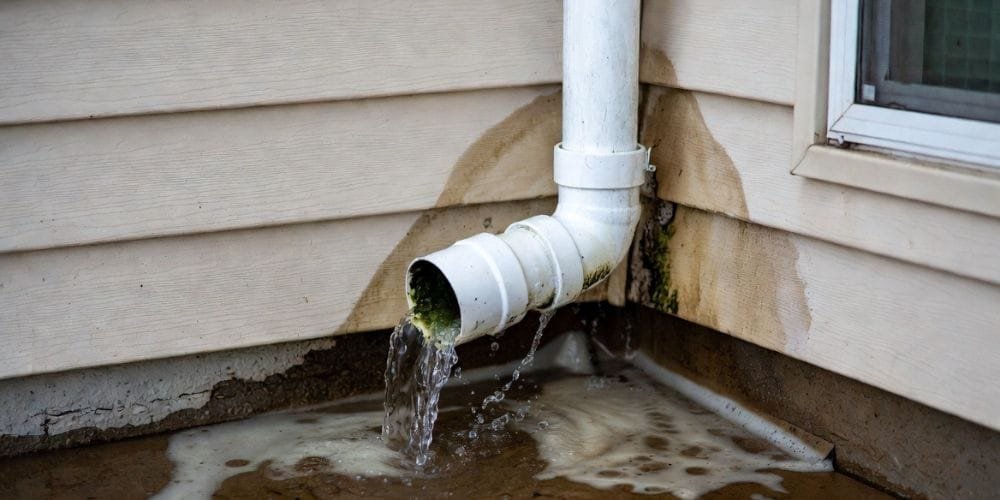
Most drain line clogs develop gradually rather than all at once. As debris accumulates inside the pipe, water flow becomes restricted until the blockage eventually causes an overflow.
Some of the most common causes include:
Algae and Mold Growth
The inside of a condensate drain line is consistently dark, damp, and warm, making it an ideal environment for algae, mold, and mildew. Over time, this organic growth forms a slimy buildup that restricts water flow.
Dirt and Dust
When HVAC air filters aren’t replaced regularly, dust and debris circulate through the system. Combined with condensation, these particles form sludge that slowly accumulates inside the drain line.
Rust and Debris
Older HVAC systems may develop rust inside the drain pan or surrounding components. These small particles can wash into the drain line, contributing to stubborn clogs.
Insects and Outdoor Debris
The outdoor end of the drain pipe can sometimes become blocked by insects, leaves, or other debris, especially if it isn’t inspected periodically.
Lack of Routine Maintenance
One of the most common reasons drain lines clog is simply neglected maintenance. Without regular inspections and cleaning, minor buildup eventually becomes a complete blockage.
Warning Signs Your AC Drain Line Is Clogged
Most HVAC systems give several warning signs before a drain line becomes completely blocked. Recognizing these AC drain line clogged symptoms early can help you avoid water damage, expensive repairs, and unnecessary interruptions to your comfort or business operations.
Some of the most common signs include:
- Water leaking around the indoor air handler
- Musty or moldy odors when the AC is running
- Increased indoor humidity
- Standing water in the drain pan
- The air conditioner shutting off unexpectedly
- Visible mold near air vents or around the indoor unit
- Rust or corrosion on the drain pan
- Reduced cooling performance despite the system running
Many newer HVAC systems include a float switch that automatically shuts the unit off when the drain pan fills with water. While this can be inconvenient, it’s designed to help prevent costly water damage.
What Happens If You Ignore a Clogged Drain Line?
It’s easy to dismiss a small water leak if your air conditioner still seems to be cooling properly. Unfortunately, an AC clogged drain line rarely resolves itself. The longer the blockage remains, the greater the risk of damage to both your HVAC system and your property.
For homeowners, an overflowing drain pan can damage ceilings, walls, flooring, and nearby furniture while creating the ideal conditions for mold growth.
For businesses and commercial facilities, the consequences may include interrupted operations, damaged equipment or inventory, poor indoor air quality, and uncomfortable conditions for employees or customers.
Ignoring the problem may lead to:
- Water damage to surrounding surfaces
- Mold and mildew growth
- Frozen evaporator coils
- Reduced cooling efficiency
- Higher energy consumption
- Unexpected HVAC shutdowns
- Expensive repair bills
- A shorter lifespan for your HVAC system
What starts as a simple maintenance issue can quickly become a much more expensive repair if left unresolved.
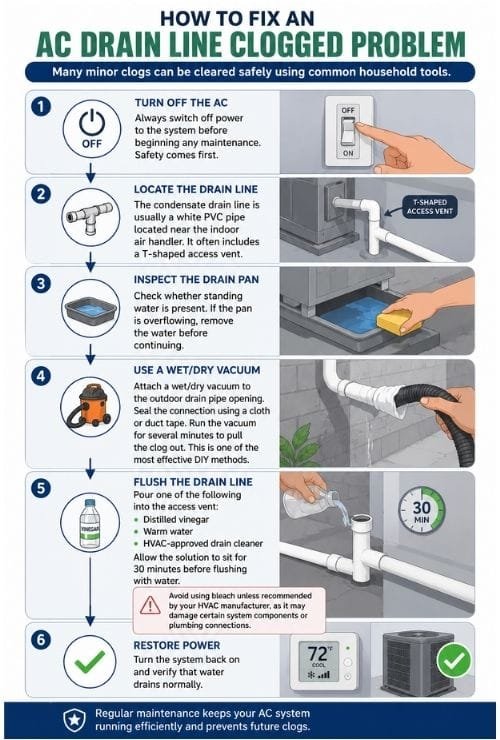
How to Fix an AC Drain Line Clogged Problem
If the blockage is minor and you feel comfortable performing basic maintenance, you may be able to clear the drain line yourself.
How to Prevent Future Drain Line Clogs
Regular AC maintenance is always easier and more affordable than repairing water damage or replacing HVAC components.
A few simple habits can significantly reduce the chances of dealing with another clogged drain line:
- Replace HVAC air filters every 1 to 3 months, or more frequently for heavily used commercial systems.
- Flush the condensate drain line with distilled vinegar every few months to help reduce algae buildup.
- Schedule professional HVAC maintenance at least once a year to inspect and clean the condensate drain system.
- Periodically check the drain pan for standing water, rust, or debris.
- Ensure the outdoor drain line remains free of leaves, dirt, and insect nests.
Consistent maintenance not only helps prevent clogs but also improves cooling efficiency and extends the life of your HVAC system.
Final Thoughts
A clogged AC drain line may seem like a minor inconvenience, but it can quickly develop into a much larger problem if ignored. Whether you own a home or manage a commercial property, recognizing the warning signs early and addressing minor blockages promptly can help protect your property, improve HVAC efficiency, and reduce unexpected repair costs.
Simple preventive measures, such as replacing air filters, flushing the drain line periodically, and scheduling routine HVAC maintenance, can go a long way toward keeping your system operating reliably. If the clog persists or you’re unsure about the condition of your air conditioning system, our experienced team at Capitol Cooling is here to provide professional inspection, maintenance, repair services, and guidance on new AC refrigerant changes.
Frequently Asked Questions
Can I run my AC with a clogged drain line?
It’s not recommended. Running your air conditioner with a blocked drain line can cause water to overflow, damage surrounding areas, encourage mold growth, and potentially shut down the system through its safety switch.
How often should an AC drain line be cleaned?
Most HVAC professionals recommend cleaning the condensate drain line at least once a year. Systems that operate frequently or are located in humid climates may benefit from more frequent maintenance.
Is a clogged drain line considered an emergency?
Not always, but it shouldn’t be ignored. Prompt attention can help prevent water damage, mold growth, and more extensive HVAC repairs.
Does insurance cover damage caused by a clogged AC drain line?
Coverage varies depending on your policy. Some insurance plans may cover sudden and accidental water damage, while damage resulting from neglected maintenance may not be included. Check with your insurance provider for details.